The right machine for the ground
Access decides a lot on a job: how big a machine can get in, what it can reach, and how much it disturbs on the way there. Here is how we work that out with you before anyone quotes a number.
What decides the machine
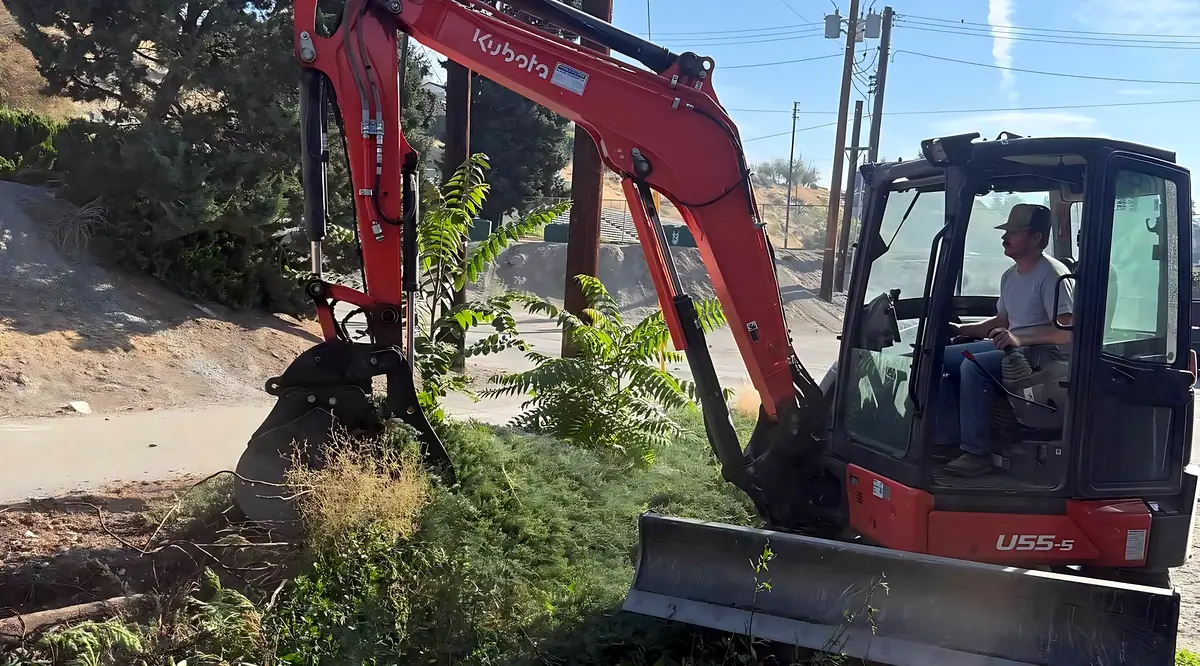
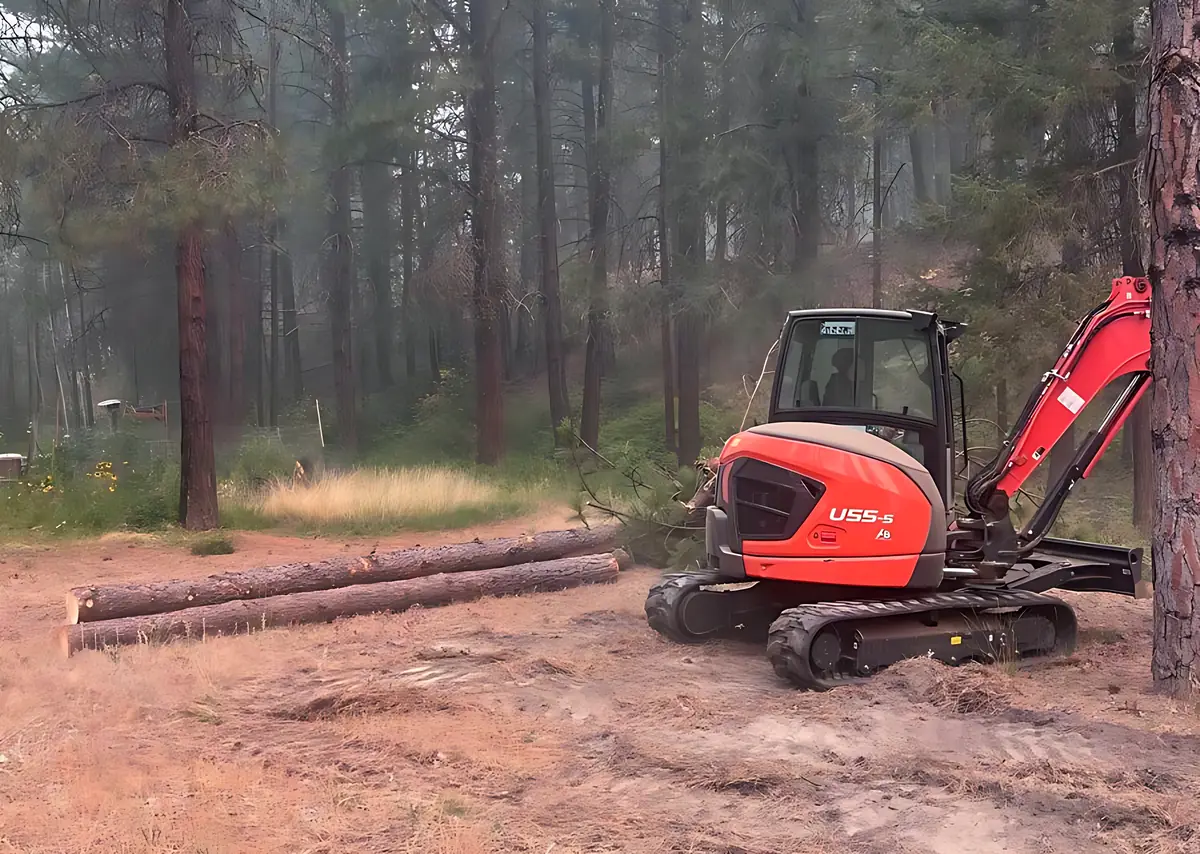
The right machine is the one that can actually get to the work and still do it properly. Too big and it will not fit down the driveway or it tears up ground you wanted to keep. Too small and a two-day job turns into a week. Before we quote anything we look at how we get in, what the ground is like and what has to move, then we match the equipment to that.
Access first
Gate widths, overhead lines, turning room and the pitch of the approach decide more than anything else on the list. A photo of the way in usually answers it in seconds.
What has to move
A few yards of material and a full building pad are different jobs. Volume decides machine size, and machine size decides how long you are paying for.
What is under the surface
Loose material, hardpan and rock all behave differently. What we find changes the approach, and we would rather find it during the site visit than on day two.
What you want left behind
Lawn you care about, a fence line, an irrigation run. Knowing what has to survive shapes how we travel across the property.
Send us a photo of the way in
A picture of the approach, showing the gate, the pinch point and the grade, usually tells us in seconds what would take a paragraph to describe. Text it over and we will tell you straight away whether we can get a machine in there.
What the machine is there to do
Equipment is only half the answer. What matters is the work it is being brought in for, and every one of these has its own page.
Tight access? Steep ground?
Send a photo of the approach when you get in touch and we will tell you straight away whether we can get a machine in there.